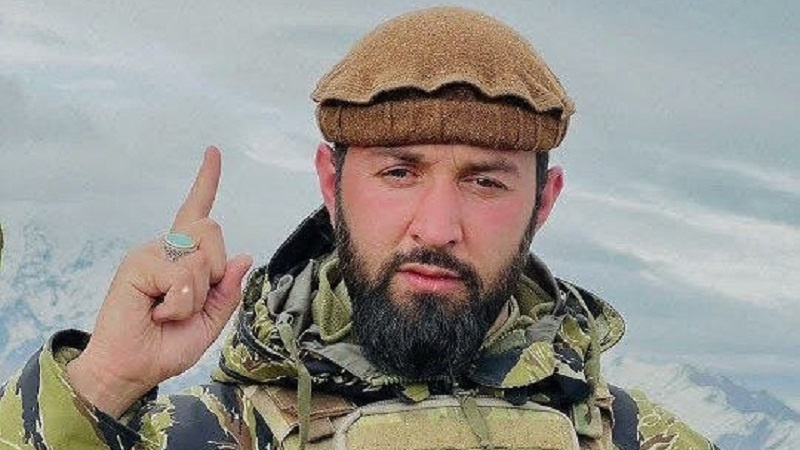
In the latest reactions, Mohammad Ismail Khan, a prominent Jihadi leader and political figure in Afghanistan, said in response to the killing of Hasib Panjshiri that he had resisted and fought against the Taliban in the foothills of northern Afghanistan over the past five years, following the fall of the republican government.
While expressing his condolences over the killing of the National Resistance Front commander, Ismail Khan added that “Hasib Panjshiri’s position will not remain empty” and that the blood of Afghanistan’s free sons would bring down the foundations of oppression and tyranny.
Fazl Ahmad Manawi, Afghanistan’s former Minister of Justice, also referred to the way Taliban forces treated Hasib Panjshiri’s body and the reported disrespect toward his remains, saying that desecrating the bodies of those who have died is a sign of moral defeat.
Manawi added that a powerful person does not mistreat the body of an enemy, and that the dignity of a victor is revealed by how they treat the defeated.
He also said that Hasib Panjshiri had continued his resistance over the past five years and was eventually killed in an unequal confrontation, but he did not surrender.
Earlier, political leaders and groups opposed to the Taliban, including Ahmad Massoud, Atta Mohammad Noor, Abdul Rashid Dostum, Mohammad Mohaqiq, and Sami Sadat, had also issued separate statements reacting to the killing of Hasib Panjshiri.
Media reports say that, alongside Hasib Panjshiri, two of his companions were also killed, and their bodies have still not been handed over to their families.
Hasib Panjshiri was killed on Thursday, 29 Asad, in a clash with Taliban forces.
Taliban sources have confirmed his death and said that the commander was killed in a targeted operation by Taliban security forces.